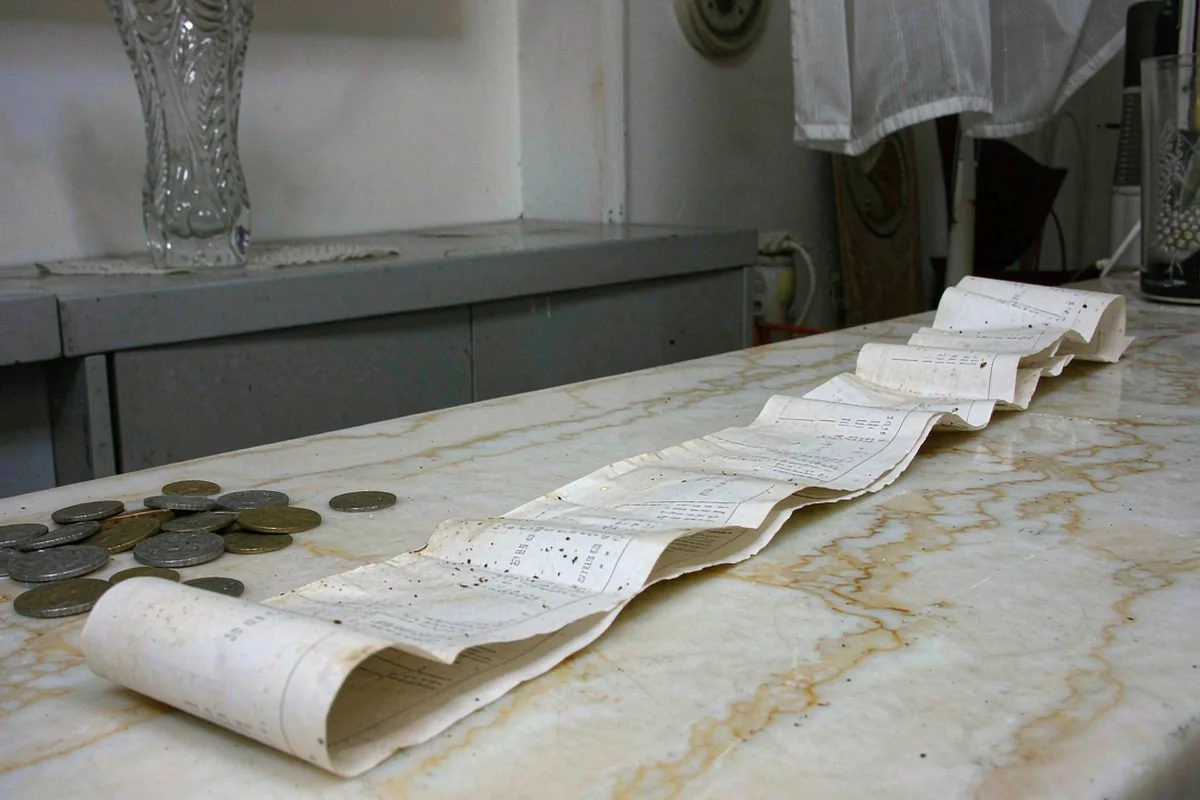
Most households keep far more cash in checking than they ever spend, and the extra usually earns nothing. A checking account is a transactional account meant for paying bills and everyday spending, not for storing money long term. In most cases, balances above your monthly needs sit idle and lose purchasing power to inflation while returning roughly zero interest.
Inflation is the silent partner in this loss. Even when checking feels harmless, prices tend to rise so stationary cash buys less later. Pairing a high-yield account with the same habits keeps your reserve growing with the cost of living. The goal is to stop leaving free money on the table.
The opportunity cost of checking is the interest you forgo by not moving surplus cash to a savings vehicle. A typical high-yield account might pay somewhere in the range of 3% to 5% annual percentage yield, though you should confirm current rates with the provider. If you leave roughly $5,000 idle for a year, the lost interest could total somewhere near $150 to $250 depending on the rate.
Compound growth makes the gap wider over time. Money that earns a modest rate for several years builds on its own interest, while checking balances stay flat. In most cases, the difference between zero and a typical savings rate adds up to hundreds of dollars across a decade, not just a single year. The longer the cash sits idle, the larger the forgone total becomes.
A useful rule is to keep only one to two months of spending in checking plus a buffer for timing gaps between paychecks and bills. In most cases, anything beyond that belongs in a savings or money market account where it can earn. Roughly, a household spending $3,000 monthly might keep $4,000 to $5,000 in checking and sweep the rest into interest-bearing accounts.
Watch for the trap of treating a large checking balance as safety. A big number feels secure, but it is silently shrinking in real terms. Splitting funds by purpose works better: checking for flow, savings for reserves, and a small buffer for surprises. This way each dollar has a job, and the surplus earns instead of decaying.
You do not need to sacrifice access to earn more. Setting up an automatic transfer of surplus cash from checking to a high-yield savings account takes only a few minutes and can run on every payday. The cash remains liquid and insured, but it stops losing ground. Over several years, the recovered interest on a few thousand dollars can grow to a meaningful sum.
A simple weekly sweep beats guessing. Many online-only banks and credit unions let you schedule recurring transfers, so the move happens without a decision each time. You can start small, sweeping fifty or a hundred dollars per paycheck, then raise it as spending settles. The habit matters more than the amount at first, because consistency is what rebuilds the lost interest.
A good test is to review your last three statements and flag any balance above your bills for the whole month. That amount is your likely opportunity cost in motion. Moving even part of it starts the recovery immediately, and the interest shows up on the next statement.
Keep building your plan with these related guides:
Savings strategies vary by person. This article is general information, not financial advice. Rates and rules change; confirm details with the provider and consider your own situation before acting.
Savings strategies vary by person. This article is general information, not financial advice. Rates and rules change; confirm details with the provider and consider your own situation before acting.
